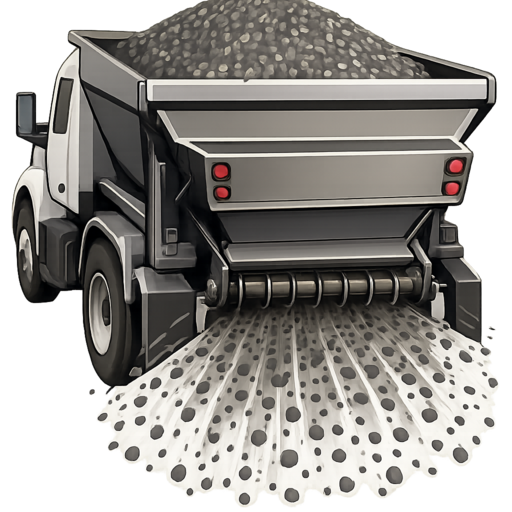
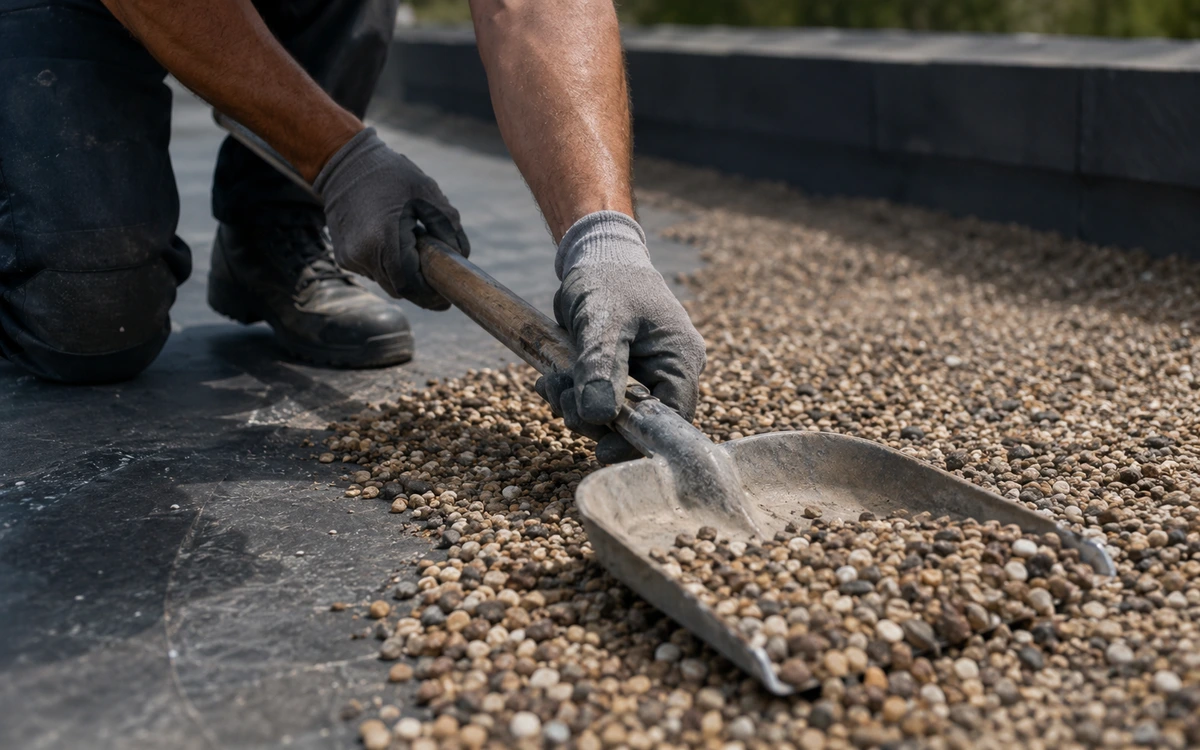
We provide professional gravel spreading services in Grand Junction, CO for uneven gravel surfaces, low spots, washouts, and areas affected by rutting, erosion, or poor drainage. Spreading redistributes aggregate, fills depressions, and creates a consistent surface that improves coverage, stability, and water runoff control. Request a quote today.
What Is Gravel Spreading and Why Is It Important for Driveways and Access Roads?
Gravel spreading is the process of distributing and grading gravel evenly across a surface to create a stable, usable layer. Proper spreading prevents low spots, improves drainage, and helps reduce rutting caused by vehicle traffic.
Why Do Gravel Driveways Around Grand Junction Sometimes Become Uneven?
Runoff from seasonal storms can slowly move gravel across sloped properties and access roads. Properties near the Colorado River valley and neighborhoods bordering the Book Cliffs often experience erosion after heavy rain. Gravel spreading helps restore surface consistency and drainage.
Why Does Gravel Keep Washing Away After Heavy Rain?
Gravel usually washes away when the surface lacks proper grading, edging, or drainage control. Water follows the path of least resistance, carrying loose stone downhill and creating erosion channels.
Can New Gravel Be Spread Over Existing Gravel?
Yes, new gravel can often be spread over existing gravel if the base layer is stable and free of major contamination. Adding fresh material helps restore surface depth, improve traction, and cover worn or exposed areas.
Gravel Driveway Grading Vs. Gravel Spreading: What’s the Difference?
Gravel spreading focuses on distributing stone evenly, while grading reshapes the surface to establish proper slope and drainage. Most successful gravel projects require both services to prevent standing water and uneven wear.
How Thick Should a Gravel Layer Be for Long-Term Stability?
The ideal gravel thickness depends on the application, but most driveways perform best with several inches of compacted material above a solid base. Insufficient depth allows tire traffic to displace stone and expose the underlying soil.
What Are the Signs That a Gravel Surface Needs Respreading?
Ruts, potholes, exposed subgrade, and uneven stone coverage are common signs that gravel needs to be respread. Addressing these issues early helps maintain drainage, improves vehicle access, and reduces further surface deterioration.
How Much Does Gravel Spreading Cost in Grand Junction, CO?
Gravel spreading costs in Grand Junction, CO typically range between $614 and $4,016, with average pricing depending on the total area to be covered, gravel depth requirements, site accessibility, and the volume of material that must be distributed. Pricing can also vary based on grading and surface preparation needs, equipment access limitations, gravel type and size selection, and whether additional compaction or leveling is required to achieve a uniform finish.